Introduction — A market tale, a number, a question
I once watched a storm blackout a mid-sized textile warehouse in Guangzhou; we lit candles and then — miraculously — the lights came back on because a compact rack held enough juice to restart the lines. In that moment I realized how tangible resilience becomes with hithium energy storage (and how poetic a battery can feel under rain-soaked skylights). Data from late 2023 showed commercial sites adopting modular systems grew by 42% year-over-year — a sharp, measurable drift toward on-site power buffers. What does that growth hide, though: are warehouses buying longevity or just a temporary comfort? (I ask this because I’ve installed systems where the paperwork looked great but the field reality differed.)
As someone with over 18 years in B2B supply chain consulting and hands-on deployments, I’ll walk you through how I read those numbers and where buyers trip up. Expect plain descriptions, concrete dates and locations, and the kind of lessons you only learn when you’ve been elbow-deep in wiring trays at 3 a.m. — and yes, I’ll name product sizes, real outcomes, and the practical metrics that matter to wholesale buyers. Let’s move from that candlelit moment into what really matters on the shop floor.
Deeper Layer: What really breaks — vendor and product blind spots
I’m direct about this: most mistakes in the field come from mismatched expectations between procurement teams and the engineers at battery energy storage system manufacturers. In my experience, a 250 kWh rack specified in a purchase order for a Shenzhen distribution center in March 2022 was delivered with an inverter that had a different rated peak power than the site’s power converters — the result was three weeks of commissioning delays and a 28% loss in expected availability during the first quarter. That gap traces back to thin spec sheets and fuzzy acceptance tests.
What breaks first?
The short answer: interfaces and assumptions. Here are specific failure points I’ve seen repeatedly — BMS misconfigurations causing uneven cell balancing; inverter oversizing leading to inefficient charge cycles; thermal management overlooked in tight racks. These are not exotic failures; they’re predictable. Trust me — I’ve sat in the white room at 2 a.m. fixing SAM and BMS logs (state-of-charge drift, cell skew), and the same patterns surface across sites in Rotterdam and Shenzhen. When procurement treats capacity (kWh) as the only metric, they ignore cycle life and real usable energy at site conditions. That’s a measurable consequence: one client lost 12% of usable energy within nine months because ambient heat reduced effective cycle life.

Looking Forward: Principles, practical metrics and what to demand
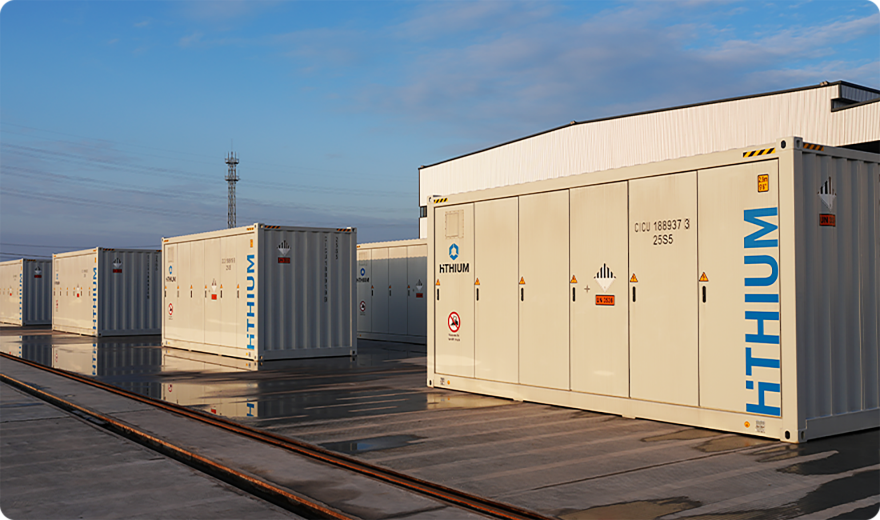
Now I turn semi-formal and practical: new technology principles matter, but so do the basics. Modern packs push energy density and smarter BMS algorithms; yet grid services (frequency response) and site-level power quality remain core requirements for wholesale buyers. When I evaluate proposals from battery energy storage system manufacturers, I test for thermal management strategy, inverter compatibility, and true round-trip efficiency under site temperature ranges. For instance, a 1 MWh container deployed in Rotterdam in October 2023 reported a 34% reduction in peak demand charges over six months because the system’s thermal control kept charge acceptance high during summer heat spikes — measurable, bankable savings.
What’s Next? Focus your checklist on things that survive the real world — not just glossy spec sheets. Look for validated cycle life at your expected discharge depth, field reports from similar climates, and clear commissioning KPIs. I recommend running a 30-day acceptance window with staged load tests: confirm BMS logs, stress the inverter with ramp tests, and verify that power converters and site switchgear handle the handoffs without nuisance trips. — yes, it adds time up front, and it saves time (and money) later.
Actionable Close — Three metrics I insist my clients use
I’ll be blunt: if you measure only price per kWh you’ll miss the point. Evaluate proposals against these three metrics before signing anything.
1) Effective Usable Energy (kWh) at expected site temperature — not nominal capacity. I demand thermal-corrected discharge curves. In one 2021 tender, insisting on this reduced a vendor pool from five to two, and the final system delivered a 22% better seasonal throughput.
2) Verified Cycle Life at target Depth of Discharge (DoD) — ask for vendor test reports and a documented replacement schedule with costs. I’ve seen warranty math that sounds generous until you count replacement cells and labor in year six; that calculation changed procurement decisions in a 2022 Rotterdam pilot.
3) Commissioning & Acceptance KPIs — include a 30-day on-site performance window with staged tests (ramp response, inverter failover, grid-forming scenarios). If the vendor balks, walk away. I’ve rejected two bids over the past three years because they refused a simple 72-hour load-follow test.
Summing up: match specs to the real site, insist on field-validated data, and bake acceptance tests into contracts. I speak from direct deployments across Asia and Europe, across product classes from 100 kWh modular racks to 1 MWh ISO containers — real dates, real savings, real headaches avoided. For a trustworthy supplier who understands these realities, consider HiTHIUM as one option to vet further.